The pack
Pack for
the day you
feel worst.
Everything in it gets carried further than you think, up more stairs than you think, on the day you feel worst.
The number
Under ten kilos packed, without water. Above that you start leaving things in hostels, which is an expensive way to pack — and on the Karpacki's mountain days you carry it up Tâmpa and Giewont as well as up hostel stairs.
Four things people bring and never use
A padlock with a combination they will forget, or a key they will lose on day three — bring one with a spare key. A towel that is not a travel towel. A second pair of shoes that are not sandals. A power bank bigger than 10,000 mAh: three hundred grams to solve a problem that a café socket also solves.
Four things people do not bring and should
Earplugs — the foam kind, a packet of twenty rather than one good pair. A head torch, because the bed by the door is sometimes the only bed. A plug adaptor is not needed anywhere on these routes (they all use the European two-pin plug), but a short extension lead turns one hostel socket into three. And a printed copy of the first three days: a phone with no battery in a country with no signal is a brick, and the first three days are the ones you cannot improvise.
- Target weight< 10 kg
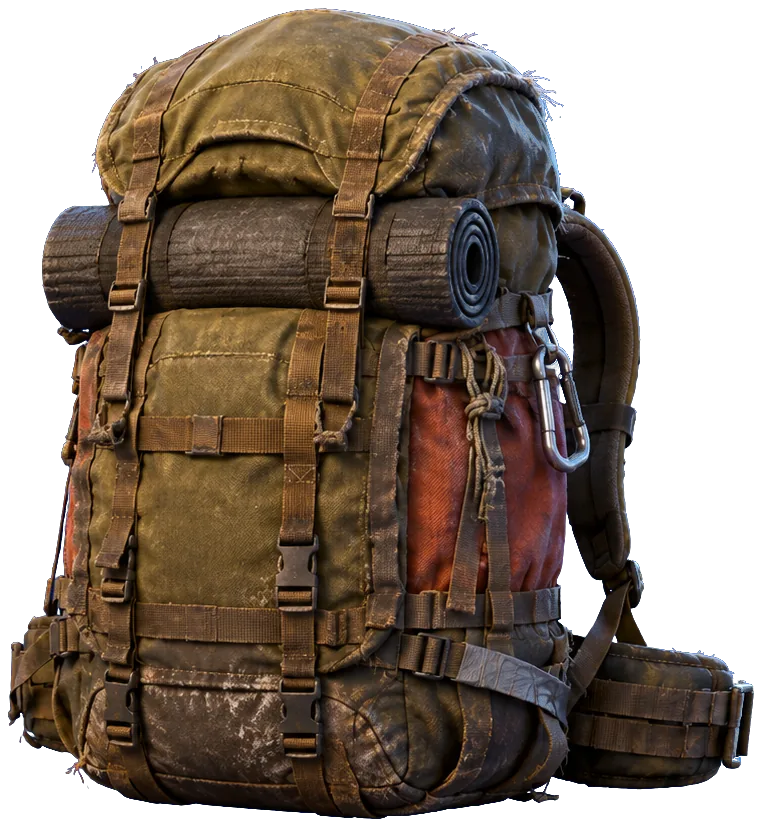
- Pack size40–50 L
- Laundryweekly
- PlugEuroplug